A Taste of the Caribbean: Celebrating Jamaican Food
Jamaican food carries a kind of clarity that great regional cooking often has. You taste it once and remember it for years. The heat is not there merely to impress, the sweetness is not sentimental, and the smoke, spice, herbs, and starch all have a job to do. Even a simple plate can feel complete in a way that is difficult to fake. Rice and peas beside stewed oxtail, fried plantain set against a sharp escovitch fish, a piece of festival to soften the edge of jerk heat, each element speaks to balance rather than excess.
That balance is one reason Jamaican food has traveled so well. Across London, Toronto, New York, Miami, and countless smaller cities, Jamaican kitchens have shaped how people think about Caribbean cooking. Yet there is still a tendency to reduce it to a few familiar dishes, usually jerk chicken and patties. Those dishes deserve their fame, but they tell only part of the story. The real pleasure lies in the breadth of the cuisine, in the way it holds African, Indigenous, European, Indian, Chinese, and Middle Eastern influences without ever losing its own identity.
Anyone who has spent time eating across Jamaica notices another truth quickly. This is food rooted in everyday life. It is sold from roadside pans and beachside grills, from family dining tables, school canteens, and corner shops. It is celebratory and practical at once. Some dishes take all day, built through patience and slow heat. Others are quick, hot, portable, and meant to be eaten with your hands before they cool.
More than jerk
Jerk tends to dominate conversations about Jamaican food because it is dramatic. It perfumes the air before it reaches the plate. The seasoning is powerful, the cooking method theatrical, and the result memorable. Traditionally, jerk relies on allspice, Scotch bonnet peppers, thyme, scallion, ginger, garlic, and a few other seasonings, with pimento wood often contributing the smoke that gives authentic jerk so much depth. On the island, jerk pork has long been considered the classic expression, though jerk chicken is now more globally widespread.
What makes good jerk memorable is restraint within intensity. Too much sugar and it turns sticky and blunt. Too much generic chili and the heat loses shape. Proper Scotch bonnet heat is fruity, clean, and sudden. Allspice brings warmth that almost reads sweet without becoming sugary. Smoke should deepen the meat, not bury the seasoning. When the balance is right, every bite is layered.
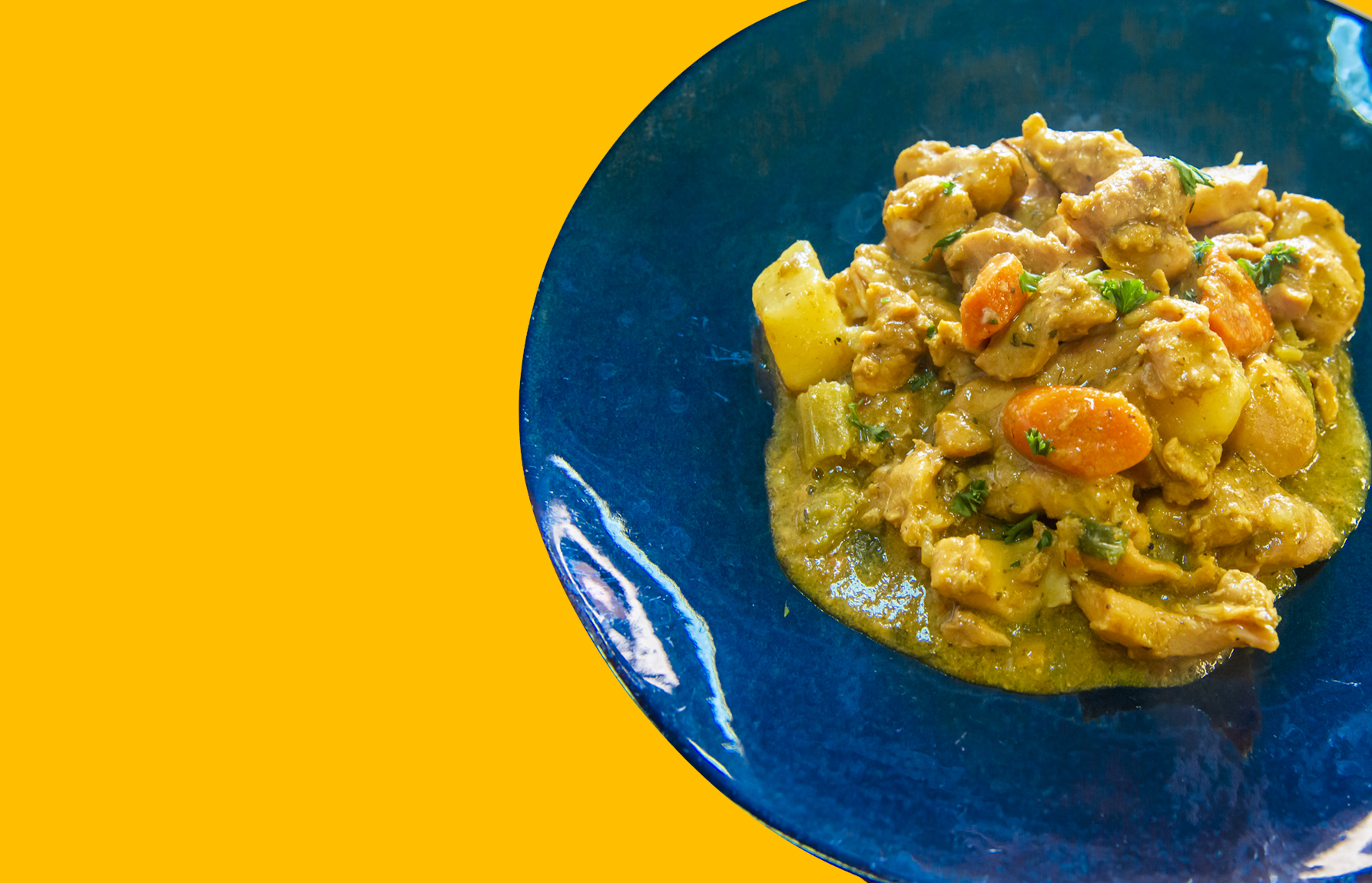
Still, Jamaican food is far wider than its most famous export. Brown stew chicken offers a completely different experience, rich and savory with caramelized notes from browning. Curry goat, a staple at gatherings and Sunday meals, shows the influence of Indian seasoning traditions adapted through local taste and ingredients. Ackee and saltfish, Jamaica’s national dish, is perhaps the best example of the cuisine’s intelligence. Soft, buttery ackee and briny cod are paired with onions, tomatoes, peppers, and herbs, creating something that is both delicate and satisfying.
That range matters because it reveals the true character of the cuisine. Jamaican cooking does not lean on one flavor system. It moves easily between smoke, stew, fry, steam, pickle, and bake. It embraces fire without making every dish hot. It understands sweetness, but rarely lets sweetness dominate.
The pantry that defines the plate
Spend enough time around Jamaican kitchens and certain ingredients appear again and again, not as trends but as foundations. Scotch bonnet peppers are the obvious one, though outsiders often focus on their heat more than their flavor. Used well, they bring a ripe fruitiness that lingers behind the burn. Thyme is another constant, as are scallion, onion, garlic, ginger, and allspice, often called pimento in Jamaica. These ingredients build the recognizable aromatic backbone of many savory dishes.
Then there are the starches and staples that make meals feel grounded. Rice and peas is central, though people unfamiliar with the cuisine are often surprised that the peas are usually kidney beans or gungo peas depending on season and household preference. Coconut milk, thyme, scallion, and often a whole Scotch bonnet flavor the pot. When properly cooked, the rice should be fragrant and separate, not heavy or mushy.
Green bananas, yam, coco, cassava, breadfruit, and dumplings also matter deeply. They are not filler. They are part of the architecture of the meal, designed to carry gravies, offset spice, and turn flavorful proteins into sustaining food. Jamaican breakfasts in particular show how important these starches are. A plate with ackee and saltfish, boiled green banana, fried dumpling, and yam is generous, but it is also coherent. Every item makes sense with the others.
Plantain deserves its own mention because it illustrates the cuisine’s understanding of texture. Fried ripe plantain offers softness and sweetness, a useful contrast beside peppery and savory food. It is not there as decoration. A well-cooked slice of plantain can calm a plate and complete it.
Cooking as memory and adaptation
Jamaican food is often described as bold, and that is true, but it is also adaptive. The island’s culinary history reflects movement, hardship, ingenuity, and exchange. Enslaved Africans, indentured laborers from India and China, colonial structures, local agriculture, and maroon communities all shaped what ended up in the pot. That history is visible in dishes, but also in techniques. Salting, pickling, stewing, smoking, frying, and one-pot cooking all reflect practical knowledge built over generations.
Some of the most beloved dishes were refined through necessity. Saltfish became important because preserved cod could travel and keep. Ground provisions such as yam and cassava sustained households because they were hardy and filling. Soup making became a way to stretch ingredients while still producing deeply nourishing meals. Mannish water, red peas soup, pumpkin soup, and chicken foot soup are not novelty dishes. They are evidence of a cuisine that knows how to build flavor from bones, vegetables, starches, herbs, and time.
This is where lived experience matters. The best Jamaican cooks are often exceptional judges of timing and proportion, even when they cook by eye. They know when a curry needs another few minutes for the raw spice to soften. They know the point at which stewed oxtail has given enough collagen to its gravy. They know whether a Scotch bonnet should be left whole in the pot for aroma or broken open for greater force. Recipes can describe these decisions, but they rarely capture the instinct behind them.
Signature dishes worth understanding
A short tour through Jamaican food helps show its diversity:
- Ackee and saltfish pairs the creamy texture of ackee with sautéed salt cod, onions, peppers, and herbs, often served with provisions or fried dumplings.
- Jerk pork or jerk chicken delivers smoke, spice, and aromatic depth, especially when cooked slowly over pimento wood or charcoal.
- Oxtail with butter beans is rich, sticky, and luxurious, usually served with rice and peas to catch every bit of gravy.
- Escovitch fish balances crisp fried fish with a sharp topping of pickled vegetables, bringing heat, acid, and crunch.
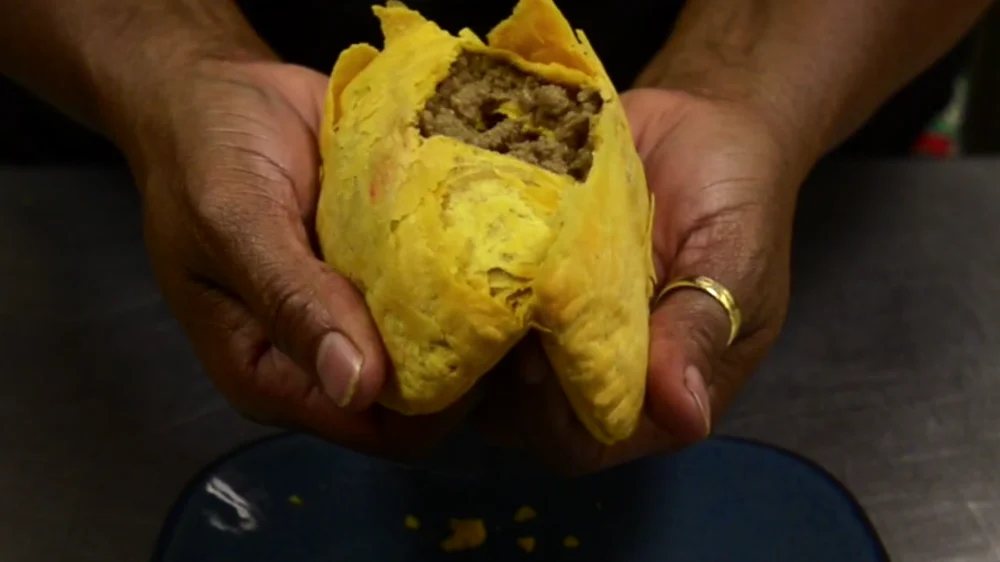
- Beef patties offer portability and comfort, with flaky pastry wrapped around seasoned fillings that range from classic minced beef to curry chicken or vegetables.
Each dish expresses a different side of the cuisine. Ackee and saltfish is delicate and savory. Jerk is intense and smoky. Oxtail leans deep and comforting. Escovitch is bright and assertive. Patties are practical, popular, and nearly universal. Together they show why reducing Jamaican food to one flavor profile misses the point.
Street food, cookshops, and the social life of eating
One of the pleasures of Jamaican food is that it thrives in informal spaces. A roadside jerk pan can produce something better than a polished dining room because the cook is focused on repetition, fire control, and turnover. The same is true of small cookshops where steam fills the room and trays of braised meats sit beside vats of rice and peas. Food in these settings is usually direct and confident. There is no need to explain itself.
Patties belong to this world too. So do coco bread sandwiches, roast corn sold on the roadside, pepper shrimp, and soups ladled into cups from large pots. These foods are woven into daily routine. You eat them on the move, during a lunch break, on the way home, after the beach, after church, after a late night out. Jamaican food does not separate celebration from convenience as sharply as some cuisines do. The same culture that produces a formal Sunday dinner also knows how to feed people well, quickly, and affordably.
That accessibility is part of why the cuisine holds emotional weight for so many people in the diaspora. A patty from a neighborhood bakery or a box of curry goat and rice can do more than satisfy hunger. It can restore memory. It can bring back the smell of a family kitchen, the sound of a market, or the rhythm of an ordinary meal shared with people who know exactly how much gravy belongs on the rice.
Breakfast tells you a lot
If someone wants to understand Jamaican food beyond the obvious, breakfast is a good place to start. It shows how the cuisine values substance, seasoning, and variety without fuss. Callaloo cooked down with onions, tomatoes, and peppers appears often. Salt mackerel, liver, fried dumplings, boiled green bananas, yams, and porridge all have their place. Cornmeal porridge, peanut porridge, and plantain porridge each carry different textures and levels of richness, but all reflect a preference for breakfasts that sustain.
This is not accidental. Historically, many people needed meals that would support long hours of physical work. The idea of breakfast as a light, sweet afterthought never carried the same dominance. Even now, many of the most satisfying Jamaican breakfasts are savory, warm, and built to last.
Ackee and saltfish deserves another note here because it is often misunderstood by first-time diners. Ackee, when cooked properly and safely, has a texture unlike almost anything else, soft and almost scrambled-egg-like, though richer and more buttery. With saltfish, it creates a dish that tastes complete even without meat. It is one of the great breakfast dishes anywhere, not because it is exotic, but because it is balanced.
The role of heat, and the mistake people make
People unfamiliar with Jamaican food often assume everything is ferociously spicy. That is one of the most common misunderstandings. The cuisine certainly respects heat, but it does not use heat carelessly. Scotch bonnet is handled with purpose. In some dishes it is central. In others it perfumes the pot without making the final result aggressively hot. A whole pepper dropped into rice and peas and removed later provides a very different experience from chopped pepper folded into a marinade.
This distinction matters in restaurants, especially outside Jamaica. Some kitchens flatten the cuisine by chasing heat for spectacle. Others go too far the opposite way and strip the food of character to make it “approachable.” Neither choice does the cuisine justice. Good Jamaican food tastes seasoned first and hot second. You should notice thyme, allspice, scallion, smoke, onion, and ginger as clearly as chili.
Seafood, fruit, and the brightness of the island
Because Jamaica is often represented through its heavier meat dishes, the lighter side of the cuisine can be overlooked. Seafood plays an important role, from steamed fish and bammy to rundown, where fish is gently cooked in seasoned coconut milk until the sauce reduces and intensifies. Escovitch fish remains a benchmark because it captures several Jamaican instincts at once: crisp texture, acidity, pepper heat, and practical preservation logic.
Fruit is equally important, though often less discussed in formal writing about Jamaican food. Mangoes, June plums, guineps, soursop, otaheite apples, and pineapples shape how people snack, drink, and think about freshness. Fresh juices and blended drinks, sorrel at Christmas, coconut water straight from the shell, these are not side notes. They are part of the eating culture.
Bammy, made from cassava, is another reminder that Jamaican food has Indigenous roots that remain visible. When served with fried or steamed fish, it contributes a subtle, earthy character that bread simply cannot replace. Festivals, by contrast, bring sweetness and softness. Together, bammy and festival reveal the versatility of the starches around the plate.
What makes a Jamaican meal feel complete
The most satisfying Jamaican meals often succeed because of contrast. Rich meats are paired with plain or lightly seasoned starches. Sharp pickles lift fried food. Sweet elements soften peppery ones. Long-cooked gravies sit beside fresh slices of tomato or cucumber. There is a practicality to these combinations, but also a refined sense of composition.
A few details separate a good plate from a mediocre one:
- The rice should be properly cooked, not clumped or greasy.
- Gravy should be deep and concentrated, not thin and over-salted.
- Heat should feel integrated with seasoning.
- Fried items should retain their texture long enough to matter.
- Accompaniments should balance the main item rather than repeat it.
These seem like small points, yet they are exactly where experience shows. An oxtail dish with weak gravy is forgettable no matter how tender the meat. Escovitch vegetables without enough acidity make the whole plate feel flat. Jerk with smoke but no aromatic depth becomes one-dimensional. Jamaican cooks who know their craft rarely miss these fundamentals.
Jamaican food beyond the island
As Jamaican communities settled abroad, the food changed in some ways and held firm in others. Ingredients were substituted when necessary. Cooking methods adapted to urban kitchens. Certain dishes became more commercial because they traveled https://maps.app.goo.gl/37JZ7dpqaHRz7t9A9 well. Patties, for example, became a recognizable entry point for many people who had never sat down to a full Jamaican meal. Jerk moved into festivals, restaurant chains, and backyard barbecues. Curry goat became a standard feature at family events across the diaspora.
Yet there are trade-offs in migration. Some ingredients are harder to source at their best. Breadfruit may arrive inconsistently. Scotch bonnets may be replaced by other peppers with less fragrance. Pimento wood is not always available. Fish varieties differ. Even water and climate can subtly affect produce and dough. Skilled cooks adapt, but adaptation is not the same as replication.
That said, diaspora cooking has done more than preserve. It has expanded the reach and resilience of Jamaican food. It has introduced new audiences to the cuisine and given younger generations a way to maintain identity. It has also encouraged creative overlap with local food cultures, especially in cities where Caribbean, African, South Asian, and Latin American communities share markets and neighborhoods.
Why the cuisine stays with people
Some cuisines impress in the moment and fade. Jamaican food tends to do the opposite. It returns to you later, through a remembered smell of thyme hitting hot oil, the sweetness of plantain against saltfish, the deep spice of curry goat, the edge of vinegar on escovitch vegetables. It lingers because it is built on contrast, but also because it is tied so strongly to place and community.
There is generosity in it, though not softness. A proper Jamaican meal is hospitable, but it is also opinionated. It knows what it should taste like. It does not apologize for heat, salt, smoke, or richness when those qualities are warranted. At the same time, it values freshness, balance, and rhythm. That combination gives the cuisine its staying power.
Celebrating Jamaican food means recognizing all of those layers. It means respecting the famous dishes without stopping there. It means noticing the breakfast table, the soup pot, the street corner grill, the beachside fish fry, the family gathering where curry goat and rice and peas signal that this is no ordinary day. Most of all, it means understanding that the cuisine is not powerful because it is loud. It is powerful because it is sure of itself.
For anyone willing to look beyond the clichés, Jamaican food offers one of the most compelling eating traditions in the Caribbean, and far beyond it. It is practical and expressive, rooted and adaptive, humble and unforgettable. One plate is often enough to spark interest. A few meals in, admiration becomes inevitable.
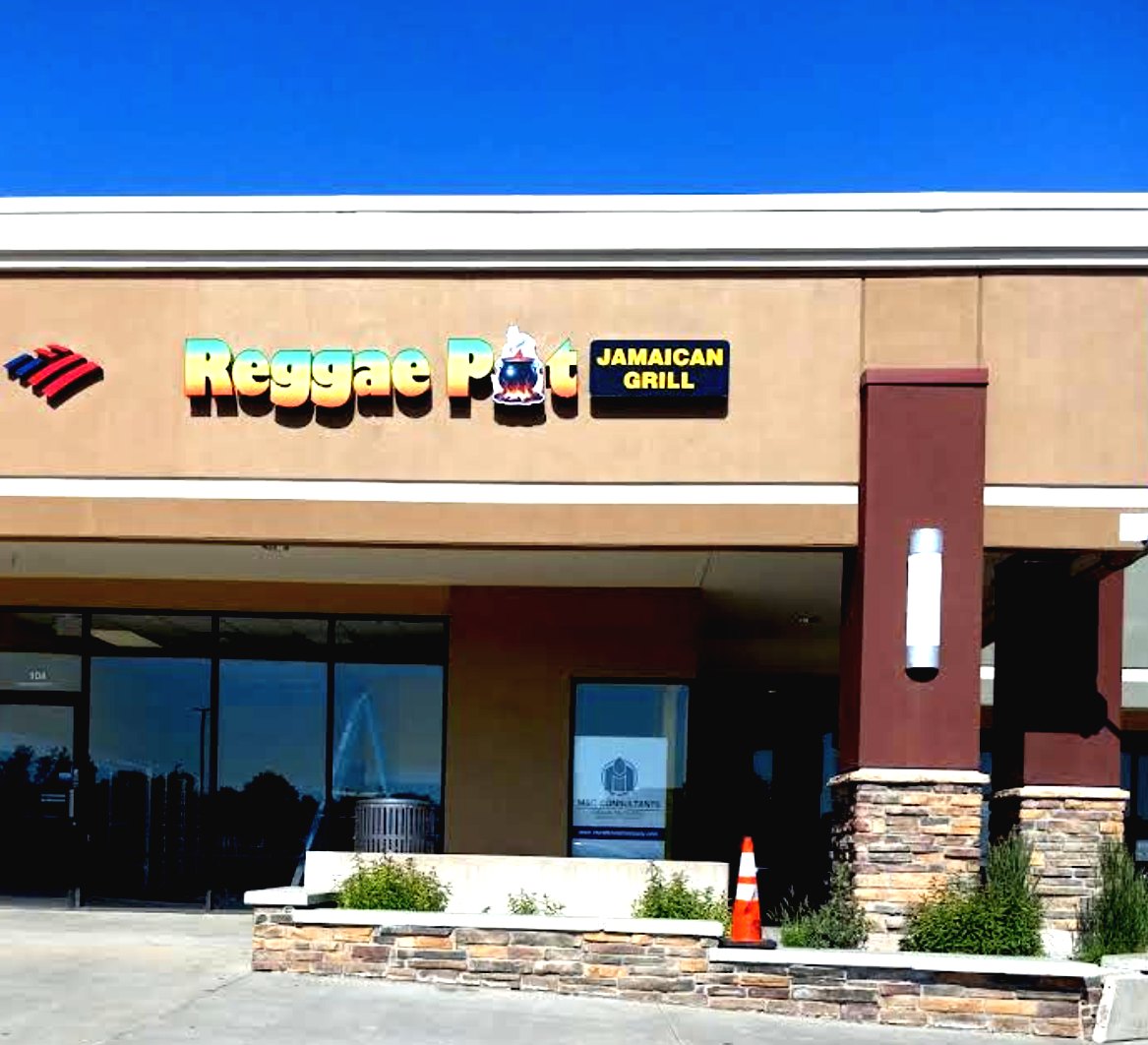
Reggae Pot Jamaican Grill
2243 S Monaco St Pkwy #104
Denver, CO 80222
+1 720-410-2956
FAQ About jamaican food
What is the best Jamaican food to try in Denver?
The best choice depends on your tastes. Popular options include jerk chicken, curry goat, slow-cooked oxtail, and savory patties. Reggae Pot lists these dishes on its menu, with sides such as rice and peas and plantains. Ask the Denver team about current availability and spice levels.
Is Jamaican food very spicy in Denver?
Heat varies by dish and preparation. Jerk seasoning often includes scotch bonnet peppers alongside herbs and allspice, while other dishes may have gentler seasoning. Ask about the heat of the specific dish and any sauce before ordering.
What are some popular Jamaican snacks?
Jamaican patties are a popular snack made with flaky pastry and savory meat or vegetable fillings. Other options include fried dumplings and festival, a sweet fried dough often served with savory dishes. Availability varies, so check the current menu when ordering.
Corrections
Spot something wrong? Send it to the desk and it gets fixed in the open.