Comfort Food with a Kick: Drunken Noodles Done Right
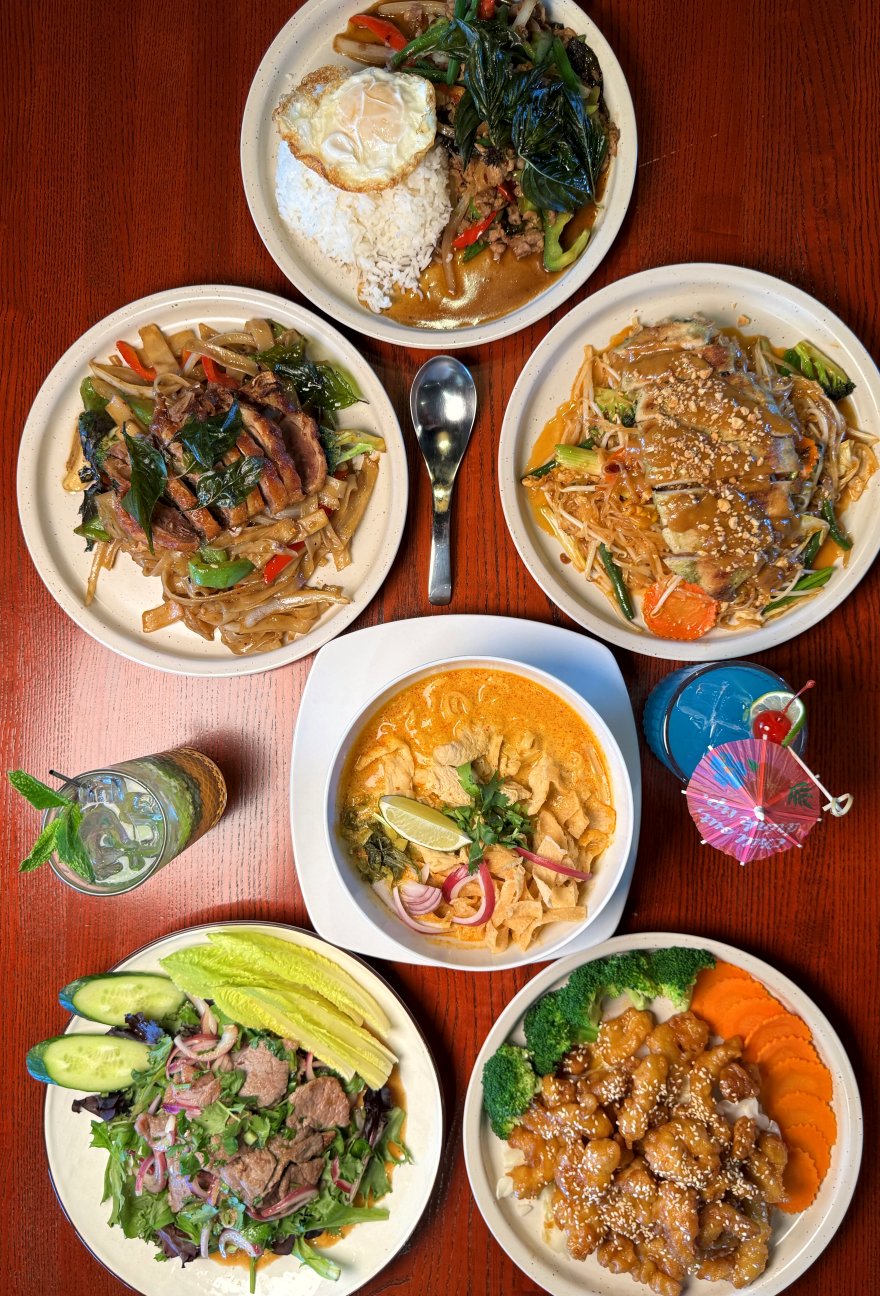
There are dishes you admire, and there are dishes you crave. Drunken Noodles belong firmly in the second category. They sit in that sweet spot where comfort food meets fire, where chew, heat, sweetness, and basil perfume collide in a glossy tangle that feels both indulgent and sharply alive. Done well, the dish lands with a kind of beautiful disorder. The noodles are slick but not soggy, the sauce clings rather than pools, the vegetables keep some backbone, and the chile heat shows up in waves instead of one flat burn.
That balance is exactly why this dish so often disappoints outside a good Thai kitchen. It sounds straightforward. Wide rice noodles, soy-based sauce, garlic, chiles, basil, some protein. Yet the version many home cooks know is either too sweet, too salty, too wet, or oddly bland. Restaurants miss too, usually by overloading the pan, softening the noodles into paste, or relying on sugar and sodium to stand in for wok character.
When Drunken Noodles are done right, none of that happens. The noodles pick up charred edges. The sauce tastes layered rather than loud. The basil hits at the very end and brightens everything. It is a fast dish, but not a careless one.
What makes Drunken Noodles distinctive
Pad Kee Mao, often translated as Drunken Noodles, carries a name that invites speculation. Depending on who is telling the story, it is late-night food for drinkers, food cooked with enough spice to wake up a drunk palate, or food made with whatever was around after a long night. The origin stories vary, and the romance of the name probably matters less than the dish itself.
What distinguishes it from other noodle dishes is not just heat. It is the combination of broad rice noodles, assertive seasoning, fresh chile, garlic, and holy basil or Thai basil, cooked hot and fast so that the pan contributes as much flavor as the sauce. Compared with pad see ew, which leans sweeter and gentler, Drunken Noodles push harder. They should have a little wildness to them. Not sloppy, not random, but energetic.
That energy depends on contrast. The noodles are soft and yielding, but the vegetables should retain some bite. The sauce brings sweetness, salt, and depth, but not enough to drown the wok-fried notes. The basil cools the edges of the spice while adding its own peppery lift. If any one element takes over, the dish feels heavy.
The noodle question matters more than most people think
If you have ever made a pan of Drunken Noodles that tasted good but felt wrong, the noodle was probably the issue. Fresh wide rice noodles are ideal. They bring the right chew and a supple texture that dry noodles rarely match. In many Asian markets they are sold refrigerated in folded sheets or cut into broad strips. They can look a little stiff or stuck together straight from the package, which makes some cooks soak or boil them too aggressively. That is usually the first mistake.
Fresh rice noodles do not want a long bath. They need loosening, not cooking to death. If they are cold and clumped, a brief warm-up at room temperature or a short, gentle microwave loosens them. A little oil on your fingers helps separate the strips without tearing. Pulling apart each ribbon may feel fussy, but it is a worthwhile kind of fussiness. Once the wok is hot, you have almost no time to fix a noodle that went in as a brick.
Dry wide rice noodles can work, but they are less forgiving. Their texture turns from underdone to broken down quickly, and many brands vary wildly in width and starch content. If dry noodles are your only option, stop cooking them just shy of tender, rinse briefly, and coat them lightly with oil so they do not glue themselves together while you prep everything else. Even then, expect a different result. Good, yes. Ideal, not quite.
This is one of those dishes where texture is not a minor detail. It is the backbone.
Heat, speed, and the crowded-pan problem
Home cooks often hear that stir-frying is all about high heat, which is true up to a point. The more useful truth is that stir-frying is about the relationship between heat, surface area, and timing. A screaming-hot pan cannot save a batch of Drunken Noodles if you have stuffed it with a pound of noodles, two cups of vegetables, and cold protein straight from the refrigerator.
The pan needs room to sear and evaporate. If it cannot, the ingredients steam. Steamed Drunken Noodles are not the same dish.
In restaurant kitchens, the burner does a lot of work. The fire is intense, the wok is thin and responsive, and the food gets tossed through zones of heat in seconds. At home, you usually have to compensate. That means preheating the pan properly, working in batches if necessary, and keeping your mise en place close enough to grab without hesitation. Once the garlic and chiles hit the oil, your margin for indecision disappears.
A heavy skillet works better than a weak wok on a timid burner. That may irritate wok purists, but practicality wins here. If your wok loses too much heat the second food enters it, a large stainless or carbon steel skillet can produce better browning and less panic. The goal is not theatrical tossing. The goal is concentration of flavor.
The sauce should be balanced before it ever touches the pan
People tend to overcomplicate sauce and underthink it at the same time. They chase obscure ingredients while forgetting the central job: seasoning the noodles without flooding them. Drunken Noodles sauce usually draws from dark soy sauce for color and roundness, light soy or seasoning sauce for salinity, oyster sauce for body, and a touch of sugar to round off the edges. Fish sauce appears in some versions and can add welcome depth, though it needs a restrained hand. Too much and the dish tips from savory into muddy.
There is no universal ratio that solves everything because soy sauces vary, oyster sauce brands differ, and your noodles may absorb more or less depending on freshness. Still, the principle remains stable. You want enough liquid to coat every strand, but not so much that the noodles stew. Think tablespoons, not cups.
A useful habit is tasting the mixed sauce before cooking, even if it seems obvious. It should taste stronger, saltier, and slightly sweeter than you want the finished dish to be. Once spread across noodles and vegetables, the intensity softens. If the raw sauce tastes timid in the bowl, it will vanish in the pan.
Fresh chile contributes more than heat. Bird's eye chiles bring a bright, direct sharpness that dried flakes do not fully mimic. Garlic should be chopped or pounded, not hidden in a paste that dissolves into anonymity. The aromatic backbone needs to remain distinct enough that you can smell it rising before the basil goes in.
Basil is not a garnish here
This is where a lot of otherwise competent versions fall apart. Basil gets tossed in as an afterthought, often in a quantity that would barely top a pizza. In Drunken Noodles, basil is structural. It changes the aroma of the entire dish and gives it the lifted finish that keeps all the savory weight from becoming tiring.
Holy basil is the most traditional choice and has a spicy, clove-like edge that makes the dish sing. Thai basil is easier to find and still excellent, with its anise notes and sturdy leaves. Italian basil is not ideal, though in a pinch it is better than skipping basil altogether. If you use it, add it at the very end and accept that the flavor profile will shift.
Do not be stingy. A small handful disappears into a large pan almost instantly. What looks excessive in the bowl often looks correct thirty seconds later. Basil should perfume the noodles, not politely wave at them from the sidelines.
Protein is optional, but proportion matters
One of the pleasures of Drunken Noodles is that they do not need much meat to feel substantial. Chicken, pork, shrimp, beef, tofu, or no protein at all can work beautifully. The mistake is treating protein as the main event and the noodles as support. That approach overloads the pan and weakens the dish's identity.
Chicken thigh is especially reliable because it stays juicy under hard heat. Thin slices of pork shoulder or pork loin absorb sauce well and bring a little richness. Shrimp cook fast and pair well with chile, though they can overcook in the blink of an eye. Firm tofu rewards patience if you brown it properly before combining everything.
Whatever you choose, keep the pieces small enough to cook quickly and eat easily with the noodles. This is not a knife-and-fork stir-fry. The dish should gather naturally with chopsticks or a fork, each bite carrying noodle, sauce, vegetable, and basil in one go.
Vegetables should support, not crowd
Traditional and modern versions vary, but common vegetables include Chinese broccoli, baby corn, long beans, onions, and bell peppers. The best choices share one quality: they can stand up to high heat without turning watery. Mushrooms can be delicious, but they dump moisture if the pan is not hot enough. Zucchini behaves similarly. Broccoli rabe offers bitterness that can work well if used sparingly.
Onions are underrated here. When the edges char slightly, they bring sweetness and depth without watering down the pan. Red bell pepper adds color and a mild sweetness that rounds off the chile heat. Chinese broccoli contributes bitter green crunch, which can keep the dish from feeling one-note.
This is not the place for a refrigerator clean-out mentality. A stir-fry loaded with six or seven vegetables becomes a vegetable medley with noodles rather than Drunken Noodles. Restraint helps.
A method that actually works at home
You do not need a restaurant burner to make an excellent plate, but you do need order. Prep every ingredient before the pan goes on the heat. Mix the sauce. Separate the noodles. Wash and dry the basil thoroughly, because wet herbs splatter and cool the pan. Slice protein and vegetables to similar cooking times. Then commit.
Here is the rhythm that works in most home kitchens:
- Sear the protein first, then remove it before it fully finishes if needed.
- Fry the garlic and chiles briefly in hot oil until fragrant, not browned.
- Add sturdy vegetables and toss hard so they blister at the edges.
- Add noodles and sauce together, folding rather than aggressively stirring until coated.
- Return the protein, add basil at the end, and toss just until wilted.
That sequence is not dogma, but it solves the most common home-cooking problems. Protein gets color without overcooking. Aromatics bloom without burning. Vegetables keep structure. Noodles absorb sauce while the pan is still hot enough to dry the surface. Basil stays vivid.
The folding part matters. Wide rice noodles tear when you attack them with constant scraping. Use tongs or a spatula to lift and turn sections gently but decisively. Some sticking is normal and even helpful if it creates caramelized bits. Panic only if the whole mass is fusing into one starch slab, which usually means too much liquid or not enough heat.
The flavor profile people get wrong most often
The dish should be bold, but bold is not the same as harsh. The most common imbalance is oversalting in pursuit of intensity. Dark soy, light soy, oyster sauce, and fish sauce can build complexity, but together they can also overwhelm the palate if used without judgment. Once the noodles absorb an over-salty sauce, there is no elegant way back.
The second mistake is sweetness. Many bottled stir-fry sauces are far sweeter than a good plate of Drunken Noodles should be. Sugar has a role, especially in smoothing rough edges and helping with caramelization, but it should not announce itself. If the first thing you taste is sweetness, the dish has drifted away from its center.
The third mistake is underusing chile because of fear. Drunken Noodles should have a kick, as the title promises. That does not mean every plate needs to be punishingly hot. It does mean the heat should register clearly. A gentle warmth that arrives ten seconds late is better suited to another noodle dish. Here, the chile should wake up the other flavors and keep each bite https://sethjwla561.currentvale.com/posts/why-homemade-drunken-noodles-beat-delivery from turning too rich.
When restaurant habits do not translate at home
Many cooks try to replicate restaurant texture by adding more oil, more sauce, or more time in the pan. Usually that backfires. Restaurants can get away with aggressive heat and quick reduction that a domestic stove cannot match. If you add extra sauce to compensate, the noodles turn slick and heavy. If you leave them in the pan too long waiting for char, they over-soften.
A smarter approach is to scale down the batch. Two generous servings are easier to cook properly than four. If feeding more people, make separate rounds and hold the first batch loosely covered for a few minutes. This feels inefficient, but the quality jump is real. Stir-fry rewards humility. Cooking too much at once is often just optimism in disguise.
The same principle applies to protein marinades. A light seasoning is fine, but a wet marinade full of sugar and cornstarch can leave residue that burns before the noodles ever go in. Simple seasoning, strong heat, fast timing, that combination tends to outperform fancier prep in a home setting.
The details that elevate the final plate
The best versions often come down to a handful of details that sound small until you skip them. Drying vegetables thoroughly matters because excess water sabotages browning. Letting refrigerated noodles warm slightly makes them more flexible and less prone to snapping. Tasting basil before cooking can tell you how assertive it is, since some bunches are much more aromatic than others. Even the cut of the chile changes perception. Finely chopped chile disperses heat more evenly, while slivers create occasional sharp bursts.
A squeeze of lime is not standard everywhere, but a few drops at the table can brighten a heavier batch. White pepper can add a dry warmth if your fresh chiles are milder than expected. A pinch of sugar, used carefully, can rescue a sauce that tastes salty and flat. These are corrective tools, not default moves.
The plate itself matters too. Drunken Noodles are best eaten immediately. Rice noodles continue to soften as they sit, and basil loses its fragrance fast. This is one of those meals worth calling people to the table for, not one to let lounge under foil while side dishes are debated.
Troubleshooting the batch that went sideways
Even experienced cooks miss the mark sometimes. Rice noodles are temperamental, burners vary, and ingredients do not behave identically from week to week. A little diagnosis goes a long way.
If the noodles are mushy, they were likely over-soaked, overcooked before hitting the pan, or held too long in sauce. If the dish tastes flat, the usual culprits are timid chile, too little basil, or a sauce that lacked enough salinity and sweetness contrast. If the pan turned watery, either the vegetables were too wet, the batch too large, or the heat dropped too sharply once everything went in.
These are the fixes I reach for most often:
- Cut the batch size before changing the sauce.
- Use more basil than feels comfortable the first time.
- Keep sauce measured and modest, then add a spoonful more only if needed.
- Warm and separate noodles before cooking.
- Let the pan recover heat between additions.
That short list solves more problems than exotic ingredients ever will.
Why this dish earns a permanent place in the rotation
There is a practical reason Drunken Noodles become a repeat meal for so many cooks. Once you understand the mechanics, the dish is flexible without becoming vague. It can be built around chicken on a Tuesday night, shrimp for a faster cook, tofu for a meatless dinner, or leftover roast pork sliced thin. It is generous to odds and ends, but only within a structure that keeps it honest.
It also satisfies in a way many quick meals do not. The wide noodles make it feel substantial. The heat keeps it exciting. The basil and vegetables stop it from becoming leaden. You finish the plate feeling fed, not dulled. That is harder to achieve than people admit.
Then there is the sensory appeal. The smell of garlic and chile hitting hot oil. The moment dark soy stains the noodles bronze. The basil collapsing into the steam at the very end. Few weeknight dishes offer that kind of payoff in under half an hour of actual cooking.
Drunken Noodles ask for attention, but not ceremony. They reward prep, heat, and confidence. They forgive a substitution or two, but not carelessness. That combination, relaxed in spirit and exacting in execution, is part of their charm.
Make them often enough and you start to recognize the signs of a good batch before you even taste it. The pan sounds right. The noodles loosen instead of clump. The basil throws its aroma upward in one vivid burst. At that point, dinner is not a guess anymore. It is a practiced pleasure, spicy, savory, slightly unruly, and exactly the comfort food you hoped for.
Nakhon Luang Thai Kitchen
Address: 805 Village Center Dr, Colorado Springs, CO 80919
Phone number: +17195315175
FAQ About Drunken Noodles
What makes it drunken noodles?
Drunken noodles, or Pad Kee Mao, get their name from the Thai word khi mao (meaning "drunkard"). They contain no alcohol. The name comes from the idea that the dish is a popular late-night meal to cure a hangover or a great food to eat with a cold beer.
What is the difference between pad see ew and drunken noodles?
While both Pad See Ew and Drunken Noodles use the same wide rice noodles, Pad See Ew is a mild, sweet-savory dish made with dark soy sauce and Chinese broccoli, whereas Drunken Noodles (Pad Kee Mao) are fiery, garlicky, and herbaceous with fresh chilies and Thai basil.
What are traditional drunken noodles?
Traditional drunken noodles, known as Pad Kee Mao in Thai, are a fiery, savory street food stir-fry made with wide flat rice noodles, fresh garlic, lots of hot chilies, meat or tofu, and fragrant holy basil. Despite the name, they contain no alcohol; the dish is traditionally eaten late at night or as a hangover cure because the intense spice helps clear the head.
Corrections
Spot something wrong? Send it to the desk and it gets fixed in the open.